




The Odyssey Is the Original Page-Turner: A Case for Reading It for Pleasure
Somewhere between high school English class and the phrase "the Western canon," The Odyssey picked up a reputation problem. It became the kind of book people feel they should read, the literary equivalent of eating your vegetables. That's a shame, because Homer's epic is one of the most purely enjoyable stories ever told, and it was designed to be exactly that.
Before it was a text, The Odyssey was performance. Bards recited it aloud to audiences who had no interest in footnotes about dactylic hexameter. Those listeners wanted monsters, shipwrecks, narrow escapes, and a hero who refuses to quit. In other words, they wanted the same things we want from a thriller or a streaming series we can't stop watching.
Consider the structure. The poem opens not with Odysseus, but with his son Telemachus, a young man frustrated by the arrogant suitors camped out in his home. It's a coming-of-age thread. Then we cut to Odysseus himself, stranded and homesick, and the story becomes a survival narrative. Finally, the two strands collide in a revenge plot that would feel at home in any modern crime saga. Homer understood pacing and suspense long before anyone invented the term cliffhanger.
The Episodes Everyone Remembers (and Why)
The famous set pieces endure because they're genuinely strange and vivid. The Cyclops sequence works as horror: a giant who eats your crew and blocks the only exit with a boulder no human could move. The encounter with Circe plays like a dark fairy tale, complete with men transformed into pigs. The journey to the underworld gives Odysseus a chance to speak with the dead, including his own mother, and the scene lands with real emotional weight.
Then there's the temptation of the Sirens, the monster Scylla and the whirlpool Charybdis, and the long stay with Calypso, where Odysseus is offered immortality and turns it down. Each episode is a test, and each test reveals something about what he's willing to sacrifice. That's character development disguised as adventure.
The ending, too, is more satisfying than its reputation suggests. Odysseus returns home in disguise, tests the loyalty of those around him, and eventually reveals himself in a scene of recognition that has lost none of its power. The reunion with his wife Penelope, who has held her ground for years, is one of the great quiet endings in literature.
How to Start Without Intimidation
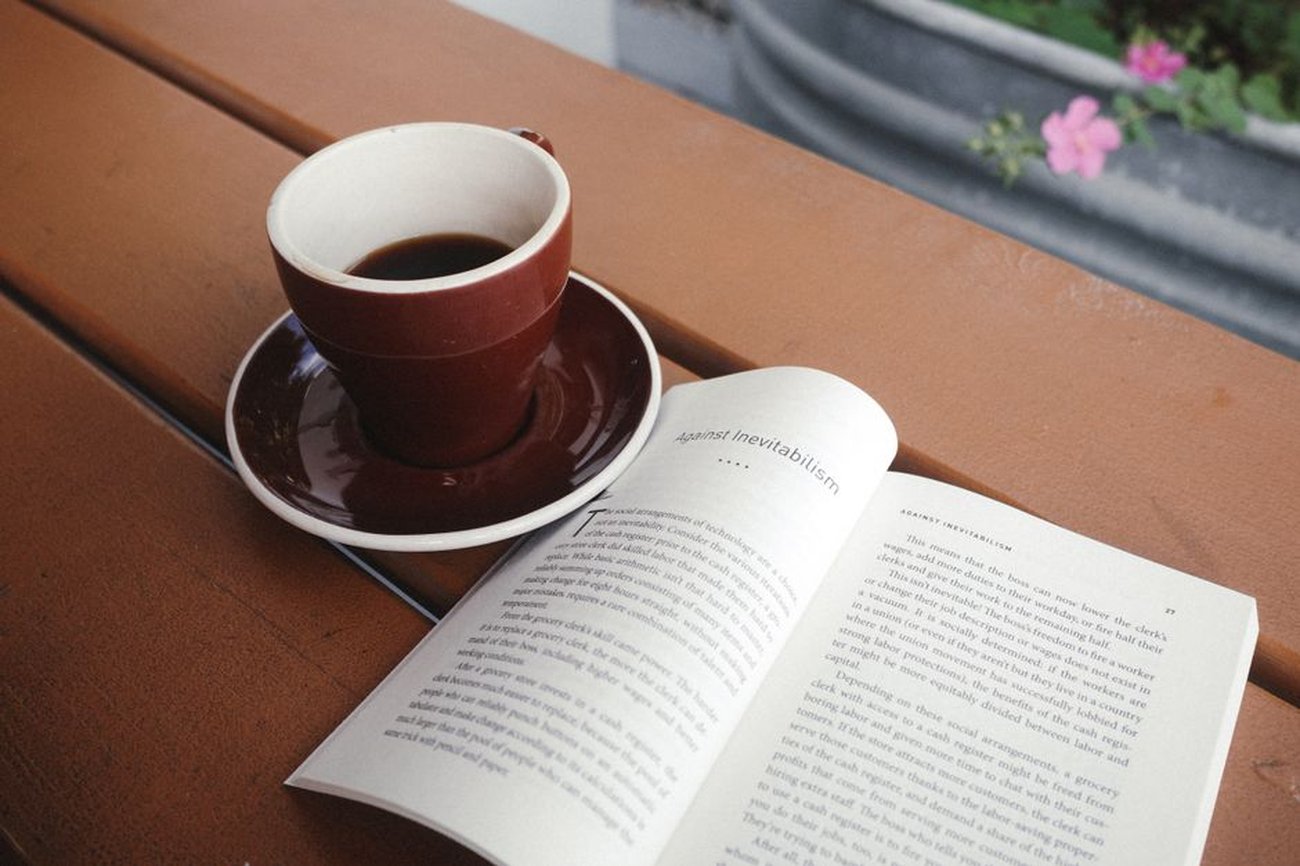
Pick a translation that reads like prose, not a puzzle. Several modern versions favor clarity and momentum over preserving the original meter, and for a first encounter, momentum is what matters. Read a few pages aloud. If the sentences feel alive in your mouth, you've found the right one.
Don't worry about keeping every name straight. The cast is large, and even scholars need a family tree now and then. Let the unfamiliar names wash over you and focus on the through-line: a man trying to get home. That single desire carries the entire poem.
Most of all, give yourself permission to enjoy it as a story rather than admire it as a monument. The Odyssey survived for nearly three thousand years not because it was assigned in schools, but because it's a ripping good tale. Read it that way, and you'll understand why it never went out of print.






Strip away the centuries of reverence and The Odyssey turns out to be an adventure story built for binge-reading, not just for term papers.
Classics were written to be heard, and reading them aloud can break the spell of intimidation faster than any study guide.
At under two hundred pages, Fitzgerald's masterpiece proves that a classic doesn't need to be long to leave a permanent mark.
Building a relationship with classic literature works best when you start with the books most likely to keep you turning pages.
Longevity matters, but the books we call classics share something more specific: they keep giving readers new reasons to return.