


Start Here: Five Short Classics That Build a Reading Habit
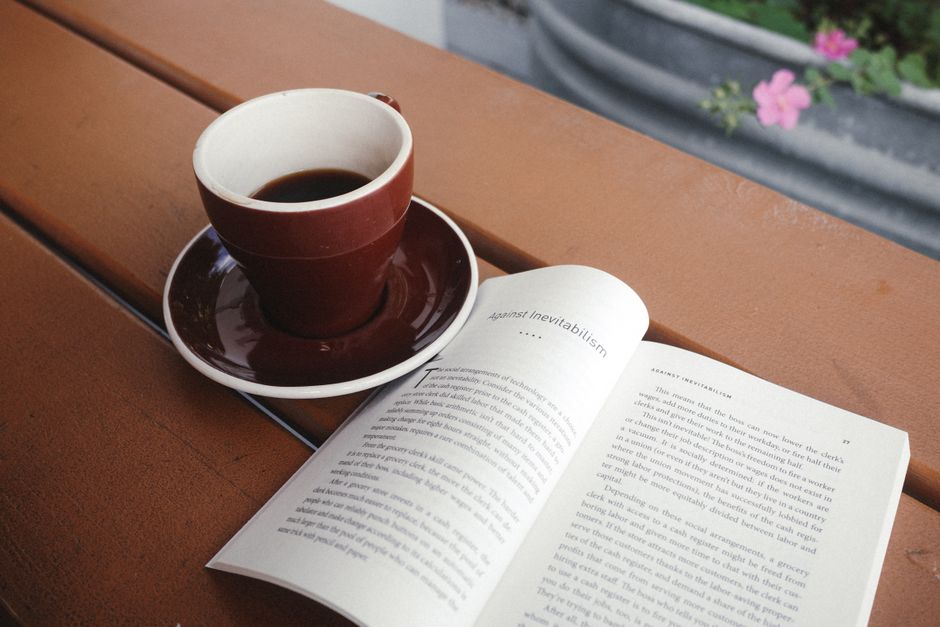
Every lifelong reader I know has a story about the book that started it. Almost none of them say it was a thousand-page epic. The books that hook people are usually short, strange, and finishable in a weekend. There is real power in reaching the last page, closing the cover, and thinking, I want to do that again. If you are trying to build a reading habit, length is not a trivial detail. It is the whole game.
So here is a starting shelf: five classics you can read in the time it takes to binge a television season, each one a genuine work of art rather than a simplified version of one.
The Five Books
Begin with The Strange Case of Dr. Jekyll and Mr. Hyde by Robert Louis Stevenson. It is barely a hundred pages, it moves like a thriller, and most people only know the twist from cartoons. Reading the real thing is a revelation: Stevenson writes about shame, respectability, and the appetites we hide, and he does it with prose that practically hums.
Next, Animal Farm by George Orwell. Whatever you remember from school, it rewards an adult reading. It is a fable about power, and its brevity is part of its brilliance. Orwell believed political writing should be clear enough for anyone to understand, and this book proves him right. You can read it in an afternoon and think about it for years.
Then try The Old Man and the Sea by Ernest Hemingway. A fisherman, a great fish, and the sea. That is essentially the plot, yet the book won Hemingway the Nobel Prize. It is a wonderful introduction to his style, which strips sentences down until only the necessary words remain. If you have ever found Hemingway intimidating, this is the door in.
For something warmer, pick up A Christmas Carol by Charles Dickens. Yes, you know the story. That is precisely why it works as a habit-builder: you can feel the momentum of a familiar tale while discovering how much richer Dickens is on the page than in any adaptation. His ghosts are scarier, his London is grubbier, and his ending lands harder.
Finally, The Metamorphosis by Franz Kafka. A man wakes up as an insect. It sounds absurd, and it is, but it is also one of the most humane stories ever written about family, obligation, and being a disappointment. It is about sixty pages, and you will not forget it.
How to Make It Stick
A few practical notes. Do not read these books with a highlighter and a sense of duty. Read them the way you would read a letter from a friend: curious, unhurried, willing to skip back a paragraph when something catches you. Keep the next book visible on your shelf or nightstand so finishing one leads straight into starting another.
Also, allow yourself to dislike something. The point of a starter shelf is not that every book becomes your favorite. It is that you learn your own taste, which is the real foundation of a reading life. Maybe Orwell leaves you cold and Dickens delights you. That information is gold.
Read one of these this month. Then pick the next. The habit builds itself, one finished book at a time.

The fastest way to become a lifelong reader is to finish something great this week, and these five slim classics make that possible.
Jane Austen's most famous novel is not a dusty romance but a sharp, funny machine for observing people, and it remains startlingly modern.
Old books can feel like locked rooms, but a few simple strategies turn intimidation into curiosity and confusion into momentum.
Mary Shelley's novel is nothing like the movies, and its real subject, the ethics of creation and abandonment, is more urgent than ever.
A great first sentence is a doorway, and these five have been pulling readers into unforgettable books for generations.