





The Real Difference Between Casino, Betting, Slots And Poker
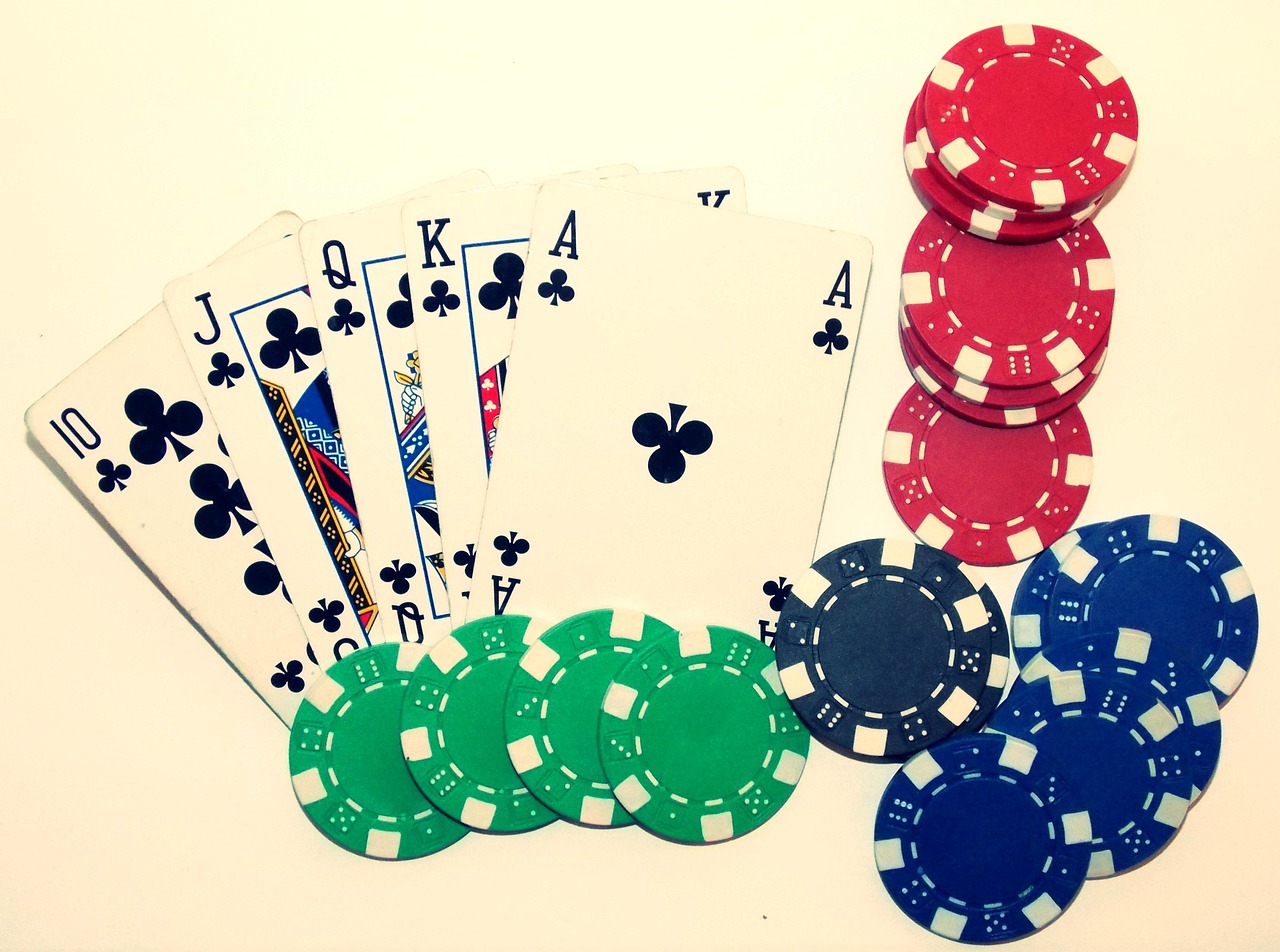
Ask ten people what "iGaming" means and you'll get ten different answers. To one person it's a poker room at 2 a.m., to another it's a Saturday accumulator, and to a third it's spinning slots on a phone during a commute. That confusion isn't a bug — it's the defining feature of the industry. iGaming is an umbrella term covering everything from casino table games to sportsbooks, and the disciplines underneath that umbrella operate on very different math, psychology, and player expectations. Understanding those differences is the difference between a player who gets value and one who keeps wondering why their bankroll vanished.
Casino Games: House Edge Is The Whole Story
Strip away the lights and the licensed soundtrack and a casino game is a probability distribution with a built-in tax. That tax is the house edge, and it varies wildly by game. It is also worth checking สล็อต before deciding.
- Blackjack (basic strategy, 3:2 payout): roughly 0.5% house edge
- Baccarat (banker bet): about 1.06%
- European roulette: 2.7% thanks to the single zero
- American roulette: 5.26% because of that extra double zero
- Caribbean Stud: often above 5%
Notice the pattern? The games that look slow and boring are usually the cheapest to play. The games that promise huge multipliers — keno, most novelty table games, side bets — are where the edge quietly climbs into double digits. A 5% edge doesn't sound catastrophic until you realize it means losing an average of $5 for every $100 wagered, over and over, until your session ends.
This is why serious casino players obsess over strategy charts. Basic strategy in blackjack, for example, takes the edge from around 2% down to 0.5% — the single most profitable decision a casual player can make. Not card counting. Not betting systems. Just knowing when to hit, stand, double, and split.
Slots: Volatility Matters More Than RTP
Slots are the most popular vertical in iGaming by revenue, and also the most misunderstood. Everyone talks about RTP (return to player), usually quoted between 94% and 97%. That number matters, but it's not the number that determines whether your session is fun or brutal.
Volatility is the variable that actually shapes the experience. A low-volatility slot pays small amounts frequently — good for grinding out a long session. A high-volatility slot, like many of the Megaways and "ways to win" titles, can go 200 spins without a payout, then hit a 500x bonus round. Same RTP, completely different experience.
A few concrete tips that separate slot players from slot victims:
- Check the RTP on the help screen, not the marketing page. Some casinos run the same game at a lower RTP config.
- Match volatility to your bankroll. A $50 bankroll on a 10,000x-max volatility slot is a coin flip on entertainment, not a strategy.
- Set a stop-loss before the first spin, and treat it as a hard line, not a suggestion.
- Understand bonus buy features. Buying a bonus doesn't change the expected value; it changes the variance. You're paying a premium for swings.
- Ignore "hot" and "cold" machine theories. Slot results are RNG-driven; there's no memory.
Betting: Where Information Actually Beats Luck
Sports betting is the only vertical in iGaming where a sufficiently skilled participant can realistically overcome the house margin. Not easily — bookmakers build 4% to 8% margins into most markets — but it's possible. That's why betting attracts a different personality than casino gaming. It rewards research, line-shopping, and discipline.
The core concept is expected value. If a book prices a team at +150 (implied 40% chance) and your independent model says the true probability is 45%, you have a positive EV bet. Not a guaranteed winner. A bet that, repeated thousands of times, turns a profit.
Some practical realities for bettors:
- Line shopping is mandatory. The difference between -110 and -105 across 500 bets is hundreds of dollars.
- Closing line value is the best predictor of long-term success. If you consistently beat the closing line, you're probably a winning bettor even if the short-term results look ugly.
- Parlays and same-game multis are entertainment products. The house edge compounds with each leg.
- Bankroll management matters more than picks. Flat staking 1-2% per bet keeps you alive through losing streaks.
Poker: The Only Game Where You Play The Players
Poker is structurally different from everything above. The house doesn't take a side; it takes a rake — typically 2.5% to 10% of the pot, capped. Your profit comes from other players' mistakes, not from beating a mathematical margin. That single fact changes everything about how you should approach the game.
The three foundational concepts every serious player internalizes:
- Position. Acting last gives you information, and information is the currency of poker. A mediocre hand in position beats a good hand out of position, most of the time.
- Bankroll management. Cash game players should have 20-40 buy-ins for their stake; tournament players need 50-100. This isn't caution — it's the math of variance.
- Game selection. The softest table at a low stake beats the toughest table at a high stake, every single time.
Online poker also means tracking software and hand history reviews are standard at any serious level. If you're not reviewing your sessions, you're playing checkers while everyone else plays chess.
Where These Verticals Overlap (And Where They Don't)
All four areas share a few things: they run on regulated platforms, they depend on RNG or live-dealer infrastructure, and they all require a defined bankroll to be sustainable. But the skills are largely non-transferable. A great bettor can be a terrible poker player because one rewards probabilistic judgement and the other rewards psychological exploitation. A slots enthusiast might have zero interest in sports, and that's fine — they're playing different games with different value propositions.
What ties it all together is the discipline. The recreational player who sets a loss limit before logging in, checks the RTP on a slot, shops lines on a bet, and reviews their poker hands is genuinely getting more out of the industry than someone chasing a bonus or a "system." Same platforms, wildly different outcomes.
A Final Thought On The Long Game
iGaming gets sold as excitement, and the marketing rarely shows you the math. But the players who last — who enjoy the hobby for years without wrecking their finances — are the ones who understand that casino games are entertainment with a price tag, slots are a variance game you manage rather than beat, betting is a probability puzzle you can occasionally solve, and poker is a skill game with a learning curve that never really flattens. None of those truths are sexy. All of them are useful. And in an industry built to make you forget them, remembering them is a genuine edge.







The fastest way to become a lifelong reader is to finish something great this week, and these five slim classics make that possible.
Jane Austen's most famous novel is not a dusty romance but a sharp, funny machine for observing people, and it remains startlingly modern.
Old books can feel like locked rooms, but a few simple strategies turn intimidation into curiosity and confusion into momentum.
Mary Shelley's novel is nothing like the movies, and its real subject, the ethics of creation and abandonment, is more urgent than ever.
A great first sentence is a doorway, and these five have been pulling readers into unforgettable books for generations.